To our home’s successor’s,
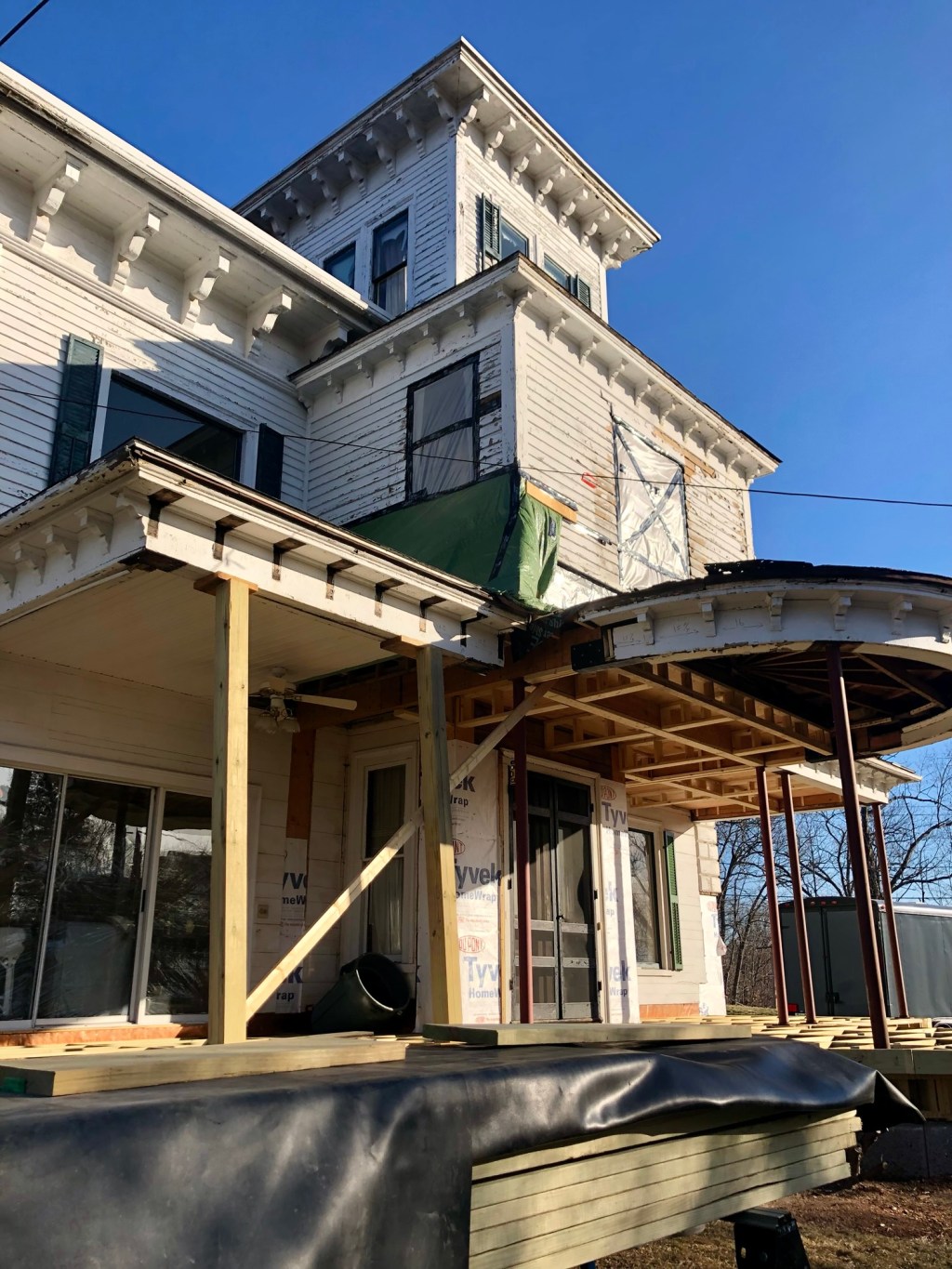
The guys finished framing the deck late January and started to work on the ceiling. This became our first add. We opted for ceiling coffers which did increase the complexity as well as material cost increase. (this was not our last add… we were easily swayed and it ended up biting us later)
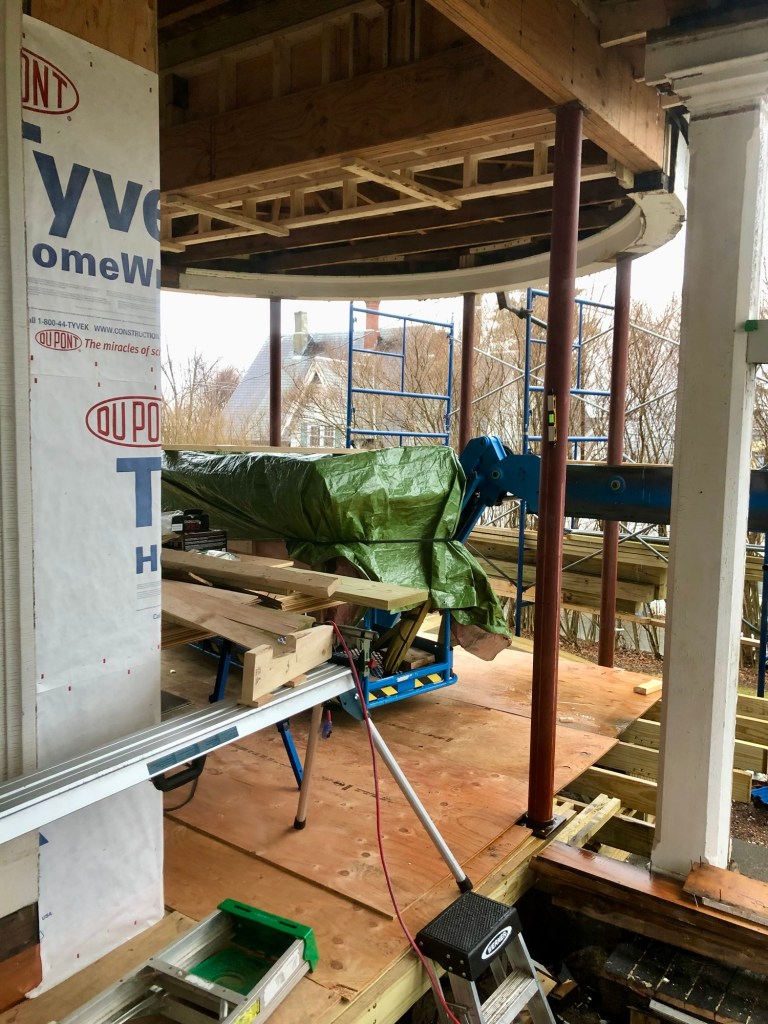

They started to frame out the 3 season porch. We had to modify the shape of the porch – obviously because we needed to support the 2nd/3rd floor, but we opted for the shape because it created the most space inside and felt the most inviting. The angled door did change the layout and make some things a little more complicated (the decking and coffer ceiling) With that laid out, we could order windows and doors.
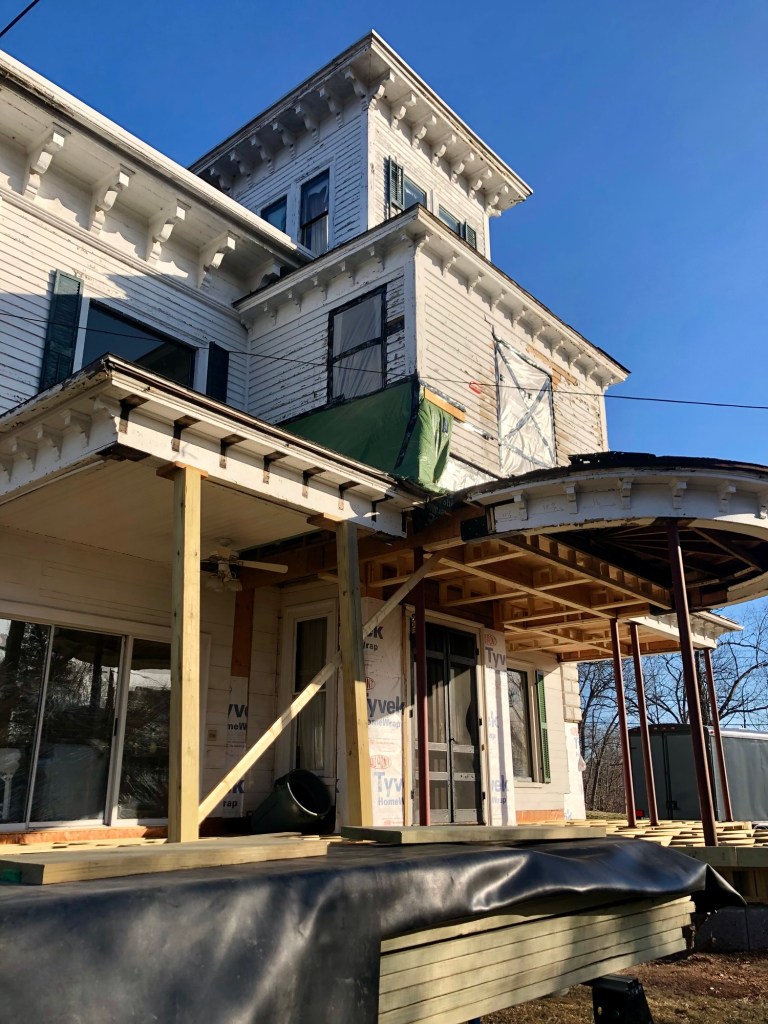
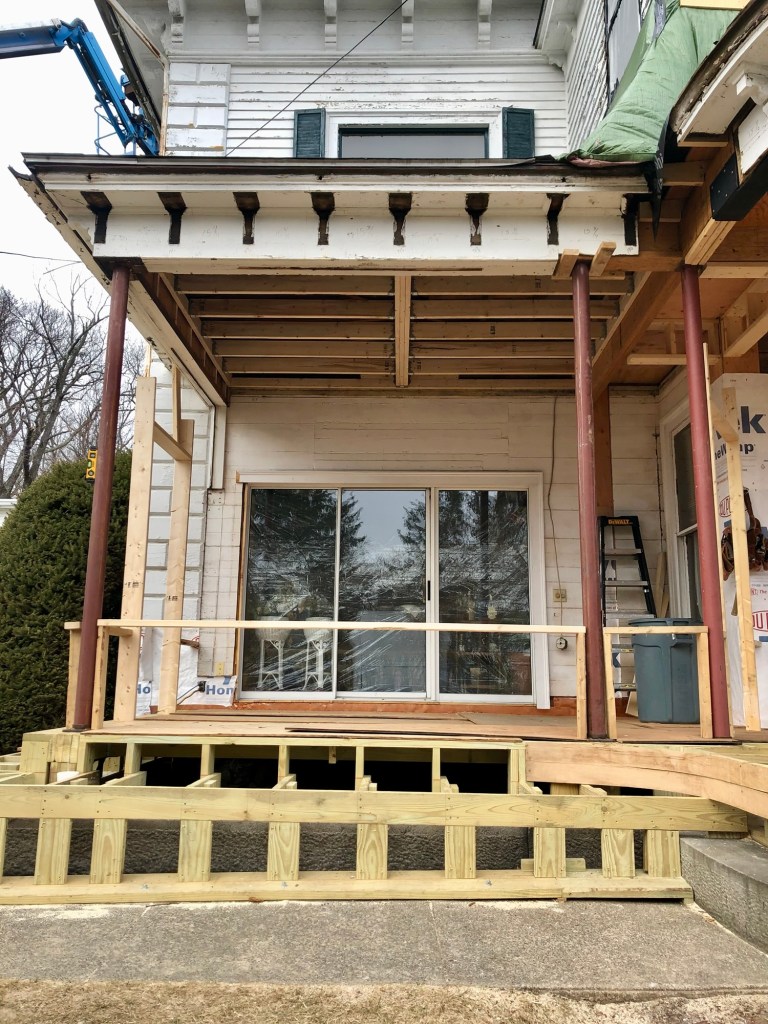
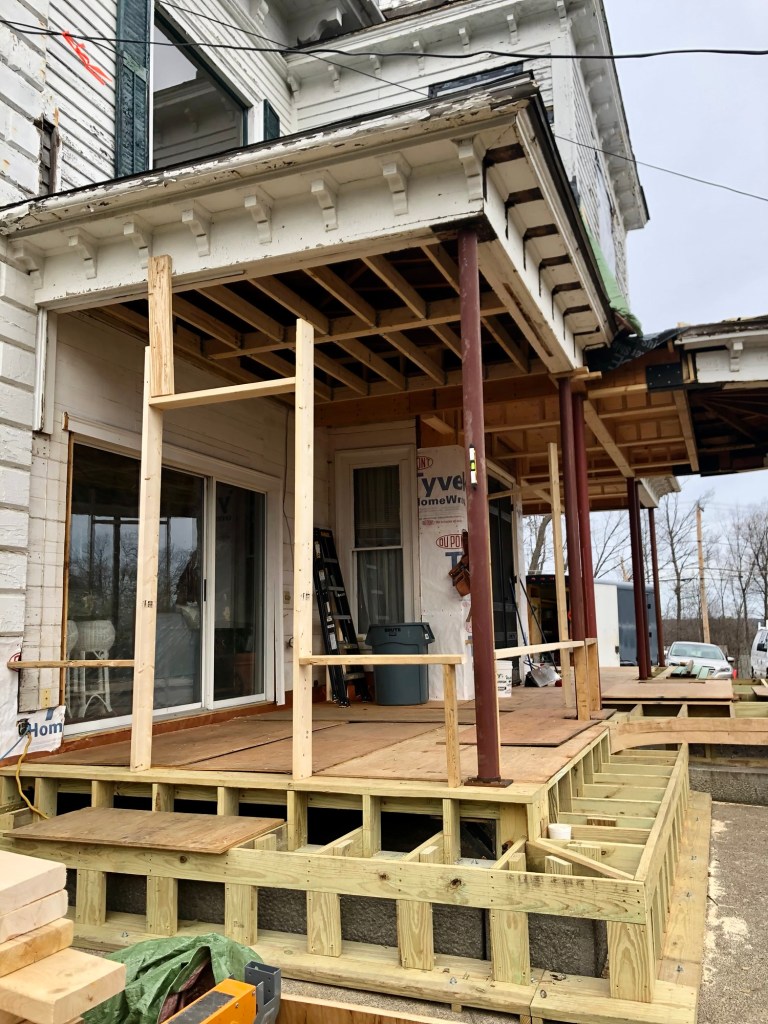
We wanted french doors to match the front door, and we kept that consistent. We needed a little framing infill into the house as we went from a 3 panel sliding glass door, to a single (2 panel) french door. The prior porch was all sliding glass, and the tracks and mechanisms wore and learning from that, we wanted minimal operating elements. We were convinced to do transom windows to allow for airflow in the summer. The doors and windows were ordered and had several week lead time. So the crew kept working on framing, and started on the other porch demo.
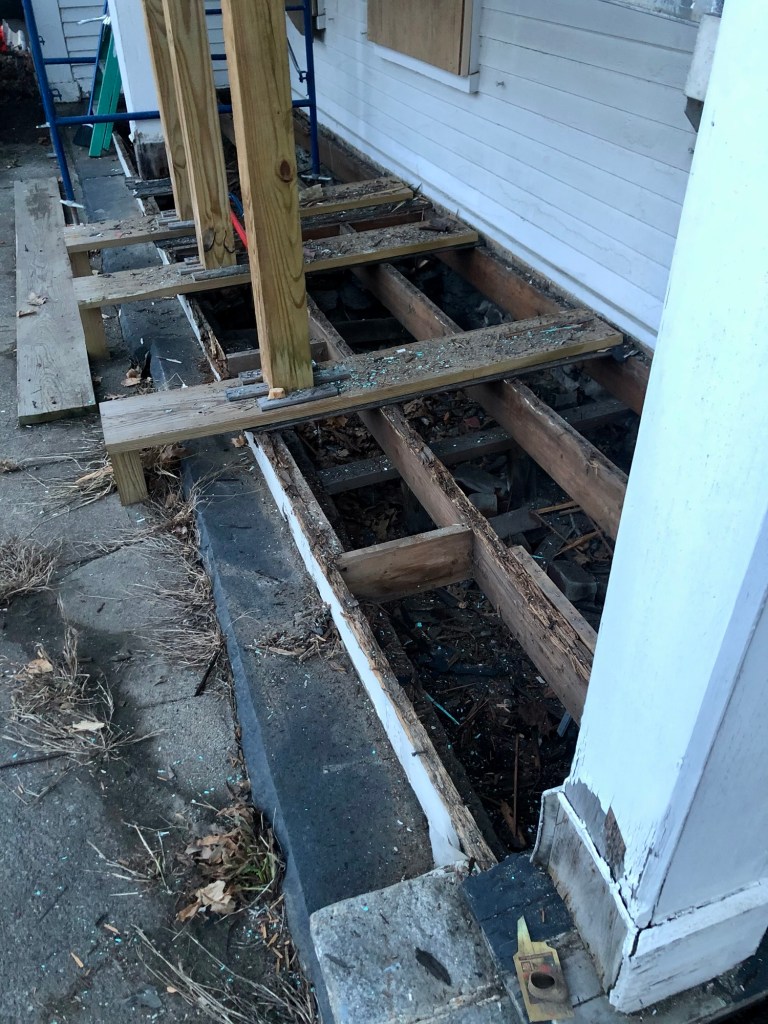
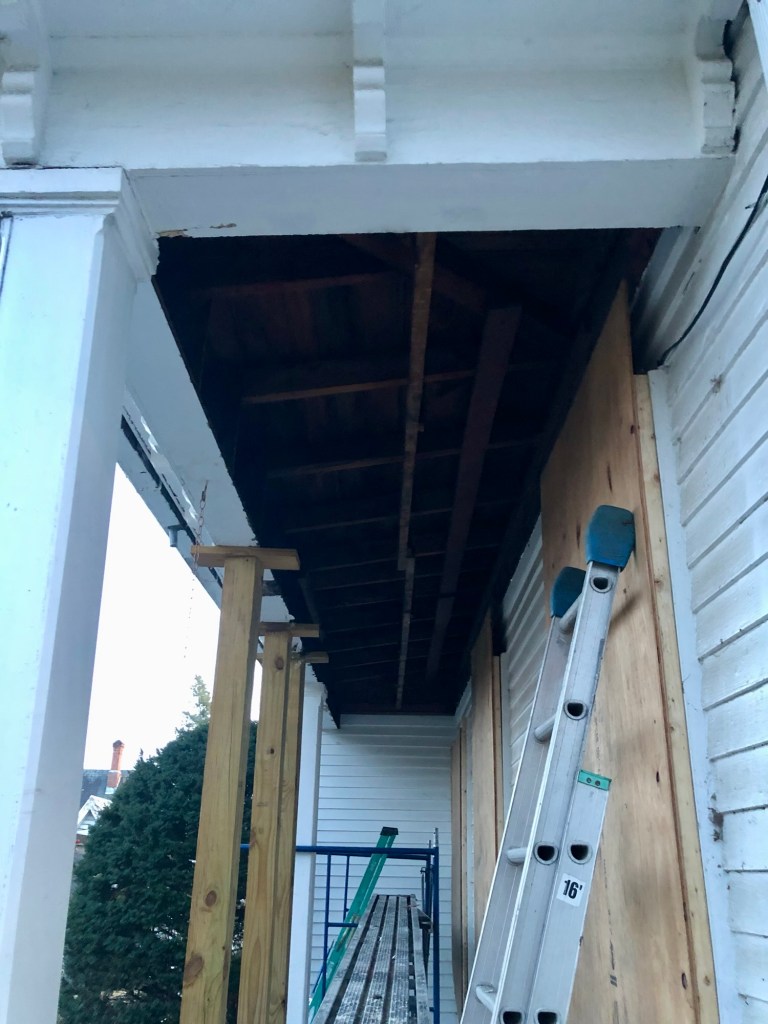
It does not appear this porch was original. There were no signs that any door ever went in off the porch, the rock foundation was clearly selectively pulled out (to tie in) and rocks left in below the deck framing, and the roof tie in was only sistered in. We’ve speculated that this was added on when our street extended further up the hill in an attempt to “dress-up” the street side of the house. Because of all of this, and the understanding that we were already trending high on cost, we opted to eliminate this porch and not put it back. This was after quite a bit of back-and-forth, but ultimately we’re still at peace with this decision.
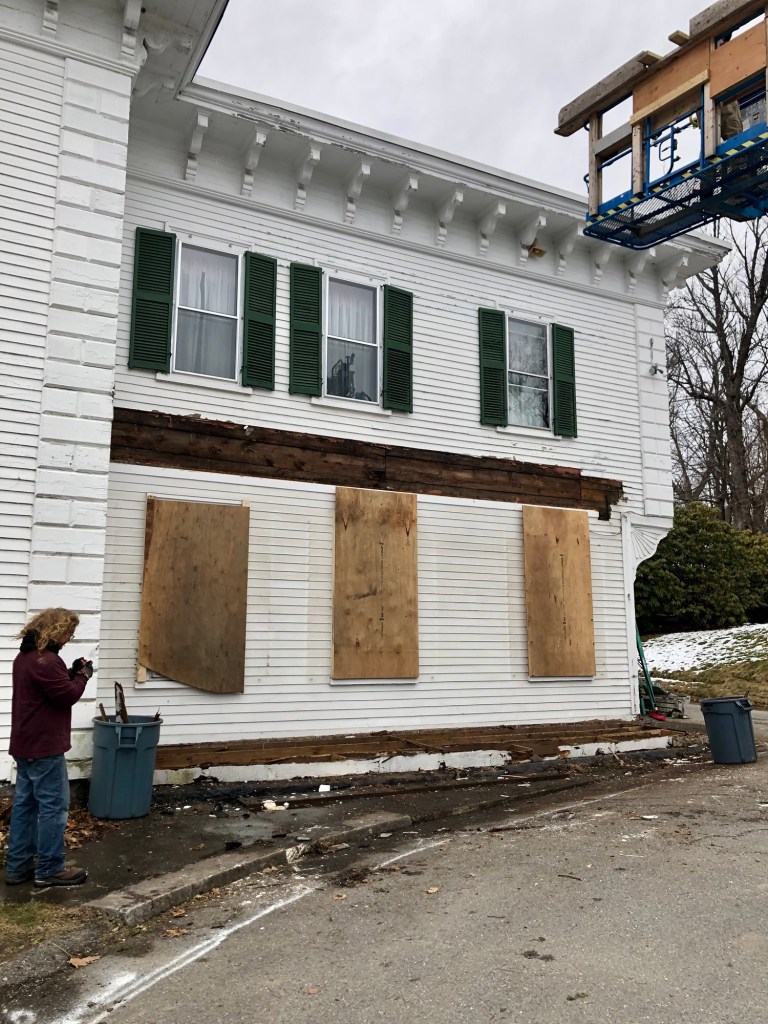
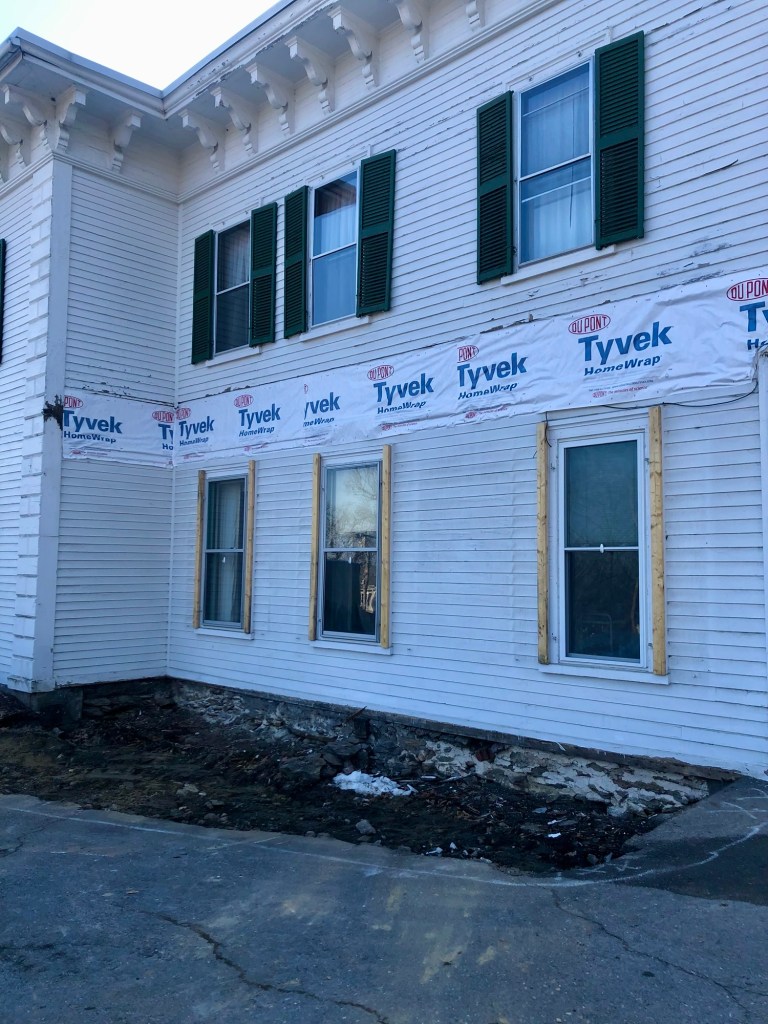
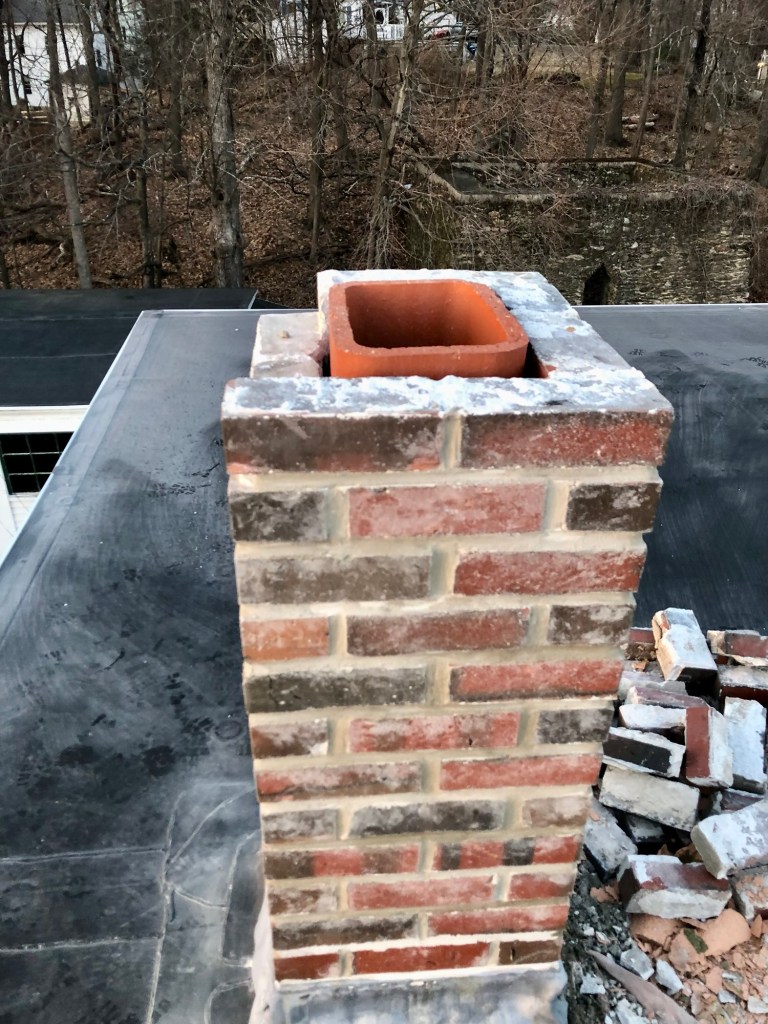
In March 2023, we called masons out to help us repoint the foundation below the old porch removal, and had them repoint our chimneys and help with some of the brick work in the basement as well while they were here. They used type-N mortar to repoint the chimneys, but believe this should be okay given that they used new bricks…. As far as the rendered work below the old porch, this has concerned me as well. The reason being, moisture will always go to the weakest points first and eat away at that. By using type-N it creates a barrier that’s tougher than the rocks or bricks in place and moisture will flow through (and wear down) the stones rather than the mortar…. You want mortar to fail over time… not the stones. We plan to use type K mortar in the basement when we repoint to prevent these issues. I still think about this more often than I should, especially given the fact that the previous owners put waterlocking paint in the basement which has created issues and it’s something I don’t want to do to you or future owners. We’ll keep an eye on it over the years but we’re glad to have done the chimney at a minimum as they needed to be capped per insurance request and of course for safety purposes AND maaaaaybe the fireplaces will be functional again now…once we get them swept anyway…



 Letters to our House Successors